Tag: writing

  • Bringing the Project Together: My Myths and Matriarchy Photobook

    Bringing the Project Together: My Myths and Matriarchy Photobook

    Blog Post 6
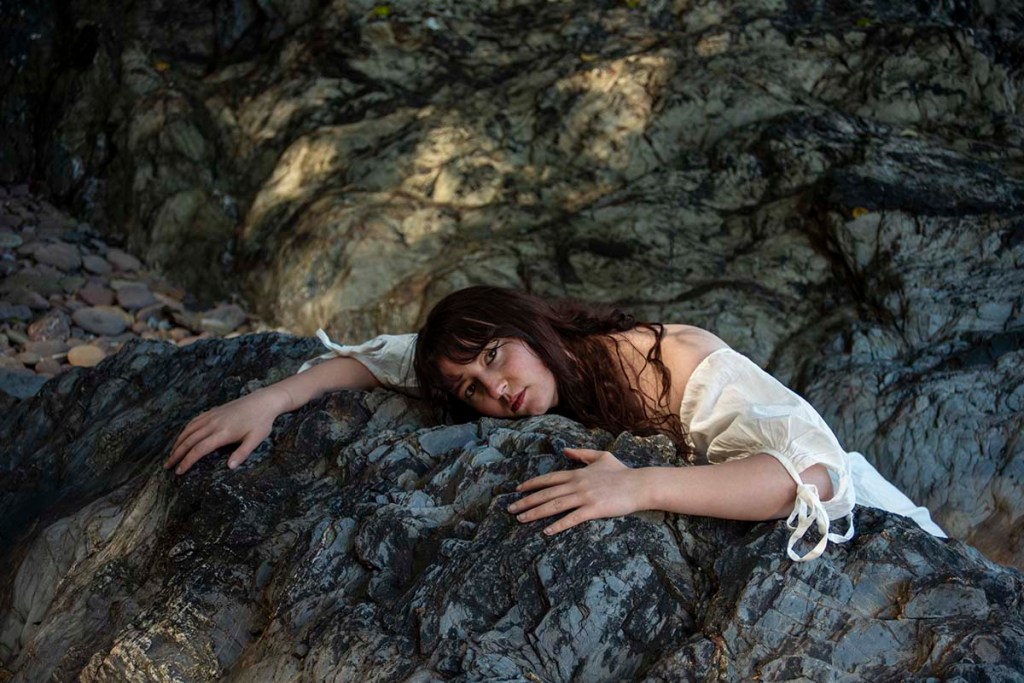
    One of the most exciting parts of working on Myths and Matriarchy has been creating the final photobook—a space where all the images and ideas from the project come together in one place. The book acts as both a portfolio and a narrative, offering viewers a chance to engage more deeply with the themes I’ve explored throughout the series.

    The photobook opens with a short introduction to the project and includes all the portraits I’ve created, laid out in a way that allows the viewer to spend time with each image. There’s no text alongside the individual photos—just the work itself, presented quietly and intentionally. I wanted the experience of looking through the book to feel contemplative, encouraging people to draw their own interpretations and emotional responses.

    I also designed a digital version of the photobook, which is now available to view online via Simplebooklet. This makes the work more accessible to people who can’t see the physical version in person, and I’m really happy with how it turned out. The digital format maintains the same pacing and layout, offering a similar experience while making it easier to share with a wider audience.

    This book represents a significant moment in my practice—not just the completion of a project, but the beginning of what I hope will be a longer exploration of mythology, feminism, and visual storytelling. I’d love for you to take a look and let me know what you think.

    If you’re curious, you can view the digital photobook here: Myths & Matriarchy Photobook
    You can also follow me on Instagram @Kiahstrong_photo where I’ll be sharing more about the physical version soon.

    Thanks for following along with this project—it means a lot to have your support as I continue developing my work.
  • Reintroducing Myths and Matriarchy: How the Project Has Evolved

    Reintroducing Myths and Matriarchy: How the Project Has Evolved

    Blog Post 5
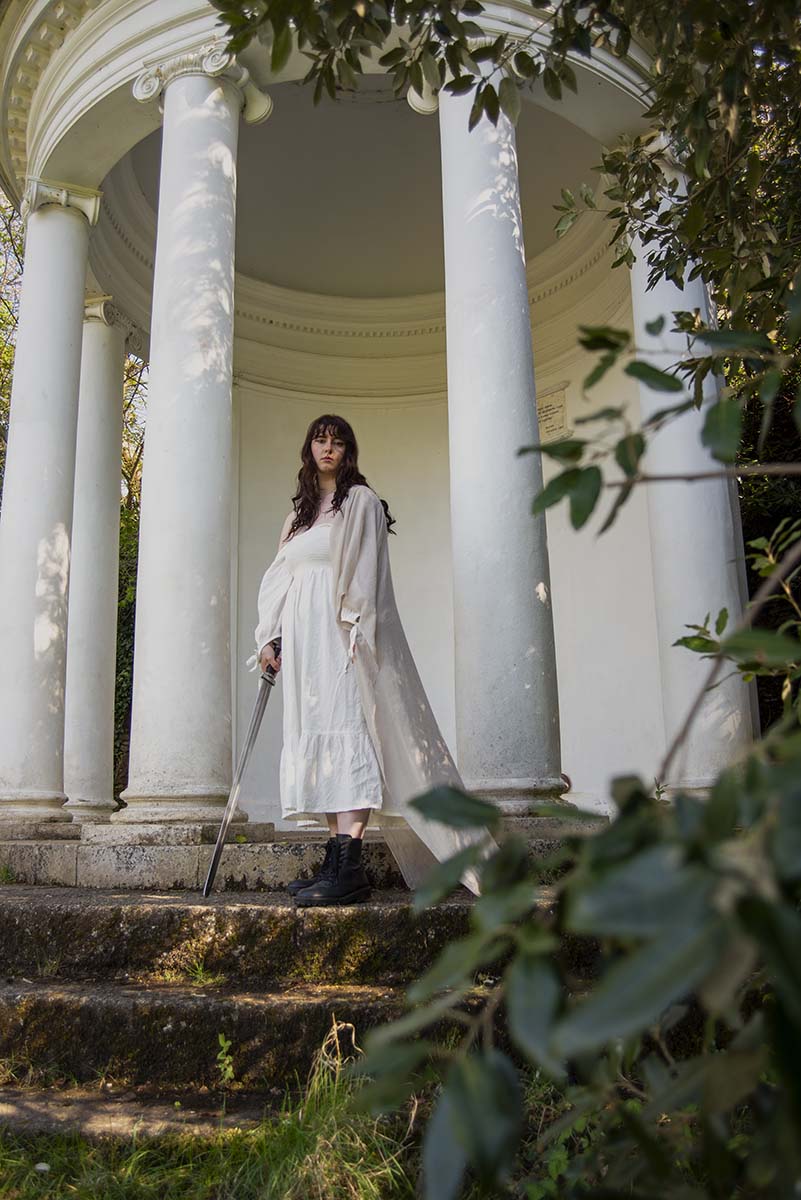
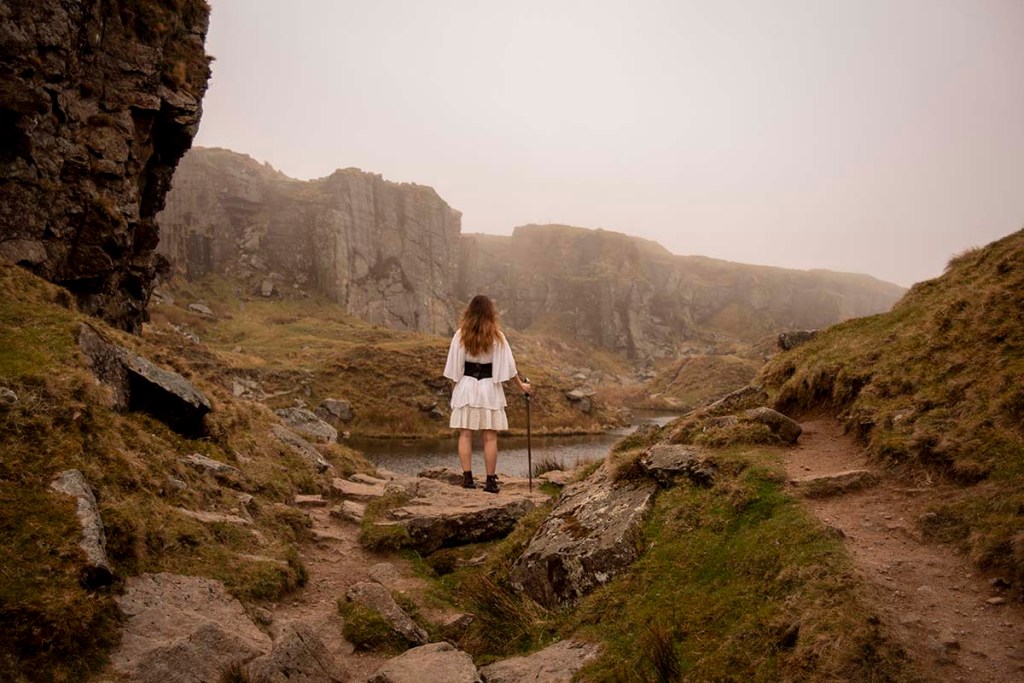
    When I first began working on Myths and Matriarchy, I knew I wanted to explore the intersection of folklore and feminism, but I wasn’t entirely sure what form that would take. The original idea was to reclaim and reimagine mythological women—to give voice to forgotten figures and challenge the one-dimensional roles they’ve often been reduced to. As the project has developed, it’s naturally evolved into something more focused, grounded, and meaningful to me.

    What started as a reinterpretation has become more about representation. Rather than trying to reinvent these mythological women, I’m now interested in how they’ve historically been depicted—and what that says about the world that created them. Through photography, I’m exploring these archetypes as they are, offering my own perspective through styling, symbolism, and visual storytelling. In doing so, I’m not erasing the old narratives, but layering new meaning onto them.

    This shift in direction has made the project feel more authentic and personal. It’s less about rewriting myths, and more about asking questions: What do these stories say about gender? Who do we choose to remember, and how? It’s about presenting these women not as tropes, but as complex figures—just as worthy of contemplation and creativity now as they were centuries ago.

    As I continue building this series, I’m leaning further into mood, symbolism, and visual cues from mythology, while grounding each image in a sense of strength, stillness, or resistance. I want viewers to look at the portraits and feel something—curiosity, recognition, reflection.

    If you’ve been following along, thank you. And if you’re new here, welcome to Myths and Matriarchy—a visual exploration of identity, power, and the lingering echoes of myth.

  • Reimagining Women in Folklore: Insights from My Critical Essay

    Reimagining Women in Folklore: Insights from My Critical Essay

    Blog Post 4

    As part of my final year, I recently completed a critical essay that ties directly into my current photography project. The question I explored was:

    “In what ways do traditional depictions of women in folklore continue to influence modern representations of gender, both in media and societal behaviour?”

    This topic really helped me dive deeper into the patterns and archetypes that have followed women through history—and how they’re still present today, just in new forms.

    Patriarchal Foundations in Folklore

    Folklore has often reinforced patriarchal views by presenting women as villains, passive beauties, or cautionary tales. These stories—passed down for generations—have shaped how society views femininity, power, and morality.

    I looked at how characters like witches, sirens, and goddesses were framed through a male gaze, and how those portrayals still echo in everything from fairytales to films.

    Archetypes in Modern Media

    The Maiden, the Mother, and the Crone—three key archetypes—still show up all the time in media. Sometimes these roles are subverted, but more often than not, they’re just repackaged. Whether it’s the “pure” girl next door or the “mature” woman who exists only to support others, these tropes are everywhere and continue to shape how women are expected to behave.

    Real-World Impacts

    These representations don’t stay on screen—they spill over into real life, influencing societal norms, beauty standards, and expectations around work, motherhood, and behaviour. The pressure to fit into these boxes is something many women experience, consciously or not.

    Feminist Reimaginings

    Thankfully, there are also creators pushing back. Artists like Angela Carter and Cindy Sherman have reworked these old narratives to give women more power and complexity. Their work inspired me to think about how I could do the same through photography.

    Tying It Back to My Work

    All of this research has fed directly into Myth and Matriarchy. By reinterpreting mythological women through a feminist lens, I hope to create images that challenge outdated ideas and offer something more layered, emotional, and powerful.

    This post is just a glimpse into the essay—if you’re interested in reading the full thing, let me know! I’d love to share it and hear what you think. Do you see these archetypes in the media you consume?